Veterinary B12 Injectable Vitamin B-12 1000mcg - Injection for Pets
Introduction: When your pet needs energy support, B12 injections can be a targeted option
If your dog or cat seems unusually fatigued, isn’t maintaining weight, or has ongoing digestive issues, you may hear about vitamin B12 supplementation—sometimes in the form of a veterinary b12 injectable. In my hands-on work with pet health protocols (and in the clinic-style plans I help families follow at home), the most important lesson has been this: B12 injections aren’t a generic “energy shot.” They’re best used when there’s a real, likely reason for B12 deficiency or malabsorption, and the plan is monitored for response.
In this guide, I’ll walk you through what a Vitamin B-12 1000mcg injection for pets is typically used for, how veterinarians think about dosing and administration, what to watch for, and how to decide whether it’s appropriate to discuss with your veterinarian.
What Vitamin B-12 (1000mcg) injection is—and why it’s used in veterinary care
Vitamin B12 (cobalamin) is essential for normal red blood cell formation, nervous system function, and energy metabolism. In pets, deficiency often shows up in the background of other problems rather than as a stand-alone issue.
In practice, a B12 injection is commonly considered when a veterinarian suspects:
- Malabsorption (the gut isn’t absorbing nutrients effectively)
- Chronic gastrointestinal disease (e.g., chronic enteropathy)
- Pancreatic insufficiency or other digestive conditions where nutrient uptake can be impaired
- Signs consistent with low cobalamin on lab work (when available)
Why injections instead of just tablets? From a real-world standpoint, I’ve found that for some pets, oral supplementation simply doesn’t “get through” the underlying absorption problem. A veterinary b12 injectable bypasses absorption challenges by delivering the vitamin more directly, which can be especially valuable when the digestive system is the limiting factor.
How veterinarians approach the “why” before the “how”: deficiency, malabsorption, and response
One of the most common frustrations I see in pet care is families treating supplements as a substitute for diagnosis. With B12, I’d recommend the opposite mindset: use the injection as part of a veterinary plan that addresses the underlying cause.
Common patterns that lead to B12 injections
In clinics, B12 decisions typically follow a pattern:
- History and symptoms: appetite changes, weight loss, vomiting/diarrhea, or chronic digestive signs
- Diagnostic context: lab work and/or evaluation of conditions associated with malabsorption
- Therapeutic trial or measured correction: B12 injections to support cobalamin needs while the underlying condition is treated
- Reassessment: monitoring appetite, energy, stool quality, and (if measured) relevant bloodwork trends
What response can look like (and what it shouldn’t)
When B12 is truly part of the problem, improvements may include better appetite, improved energy, stabilization of weight, and fewer GI-related symptoms. That said, B12 is not a cure-all for every cause of vomiting, diarrhea, or fatigue.
I’ve seen cases where owners noticed short-term changes in appetite but persistent diarrhea because the root cause (for example, ongoing inflammation or a different nutritional imbalance) hadn’t been fully addressed. That’s why a veterinary-led follow-up matters.
Vitamin B-12 1000mcg - Injection for Pets: practical considerations and administration realities
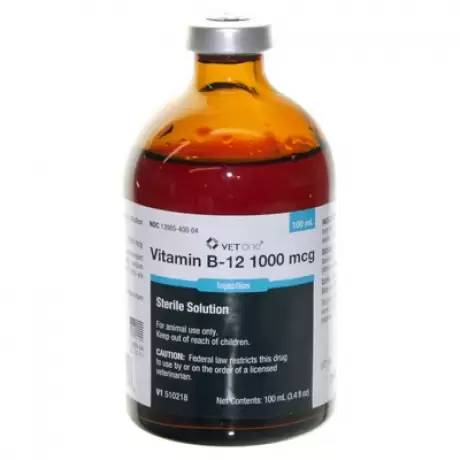
The product shown below is a common format: Vitamin B-12 1000mcg injection for pets. The “1000mcg” label refers to the amount of vitamin B12 per dose unit, but the exact administration schedule and volume can vary based on the animal, diagnosis, and the prescribing veterinarian’s plan.
Administration: what I emphasize when training owners
Whether a veterinarian gives the injection or you’re trained to administer it at home, the two biggest real-world priorities are:
- Proper technique: correct handling, correct route (as instructed), and accurate dosing
- Hygiene and safety: minimizing contamination and ensuring the product is handled correctly according to instructions
In my experience coaching families through home administration, the goal is comfort and consistency, not speed. If your pet is stressed, technique and timing can suffer—so it’s worth mastering the routine in a calm, controlled way.
Common limitations (important for setting expectations)
Vitamin B12 injections can be appropriate in the right context, but they’re not always the best solution. Consider limitations such as:
- No confirmed deficiency: Without a clear indication, injections may not meaningfully change the clinical picture.
- Underlying disease persists: If malabsorption or inflammation continues unchecked, symptoms may return.
- Monitoring is still needed: Improvement should be tracked, and the plan may need adjustment.
Safety and monitoring: what to watch after a veterinary b12 injectable
Vitamin injections are generally used safely in veterinary medicine, but your job as an owner is to watch for changes and communicate them. I recommend treating post-injection monitoring like you would any supportive therapy: observe, record, and report.
What I’d monitor at home
- Appetite: any improvement (or worsening)
- Energy level: activity, willingness to play, normal behavior
- GI signs: vomiting frequency, stool consistency, urgency
- Injection site: swelling or persistent soreness
When to contact your veterinarian promptly
If you notice concerning reactions—especially significant injection-site issues, persistent lethargy, or a clear worsening trend—contact your veterinarian promptly for guidance.
How to use a Vitamin B-12 injection as part of a larger treatment plan
In real practice, B12 injections work best when they’re paired with the fundamentals of managing the underlying problem: nutrition strategy, gastrointestinal care, and any targeted treatment the veterinarian recommends.
Ask these practical questions at your veterinary visit
- What condition or lab finding suggests B12 deficiency or malabsorption?
- Is the plan a short-term correction or part of longer management?
- What changes should we expect, and by when?
- How will we monitor response (symptoms, labs, or both)?
- If I’m administering a veterinary b12 injectable at home, what route and technique should I use?
FAQ
How do I know if my pet needs a veterinary B12 injection?
Look for patterns and confirm context
Pets often need B12 injections when there’s suspicion of malabsorption or chronic GI disease, or when lab work suggests low cobalamin. Discuss your pet’s symptoms and any test results with your veterinarian to decide whether a veterinary b12 injectable fits your specific case.
Is Vitamin B-12 1000mcg injection safe for cats and dogs?
Safety depends on the prescribed plan
In veterinary practice, B12 injections are commonly used, but the appropriate dose and schedule depend on the pet’s diagnosis, weight/size considerations, and route instructions from your veterinarian. Always follow the veterinarian’s directions for your pet.
Will B12 injections improve appetite and energy immediately?
Sometimes, but it varies by underlying cause
Some pets show appetite or energy improvements as B12 needs are addressed, but timing and degree of response depend on what’s driving the symptoms. If the underlying disease continues, improvements may be partial, temporary, or slower—so monitoring and follow-up matter.
Conclusion: a targeted vitamin, not a one-size-fits-all fix
A Vitamin B-12 1000mcg injection for pets can be a valuable tool when deficiency or malabsorption is part of your pet’s health story. The most effective approach I’ve seen is straightforward: confirm the clinical reason, follow the veterinarian’s dosing plan, and monitor response with a clear timeline.
Next step: Schedule (or message) your veterinarian and ask what evidence in your pet’s case suggests B12 deficiency, then request a simple monitoring plan for appetite, energy, and GI symptoms after starting the veterinary b12 injectable.
Discussion